OBSERVE
Understand how the work actually happens.
Follow the work, not just the process document. Look at the information, people, tools, decisions, and handoffs involved.
Working Thesis starts with the system as it exists today—not with a predetermined AI tool.
The problem comes before the platform. The outcome comes before the automation.
What this means for your business: recommendations are based on how the work actually moves, where it fails, and what a useful result requires.
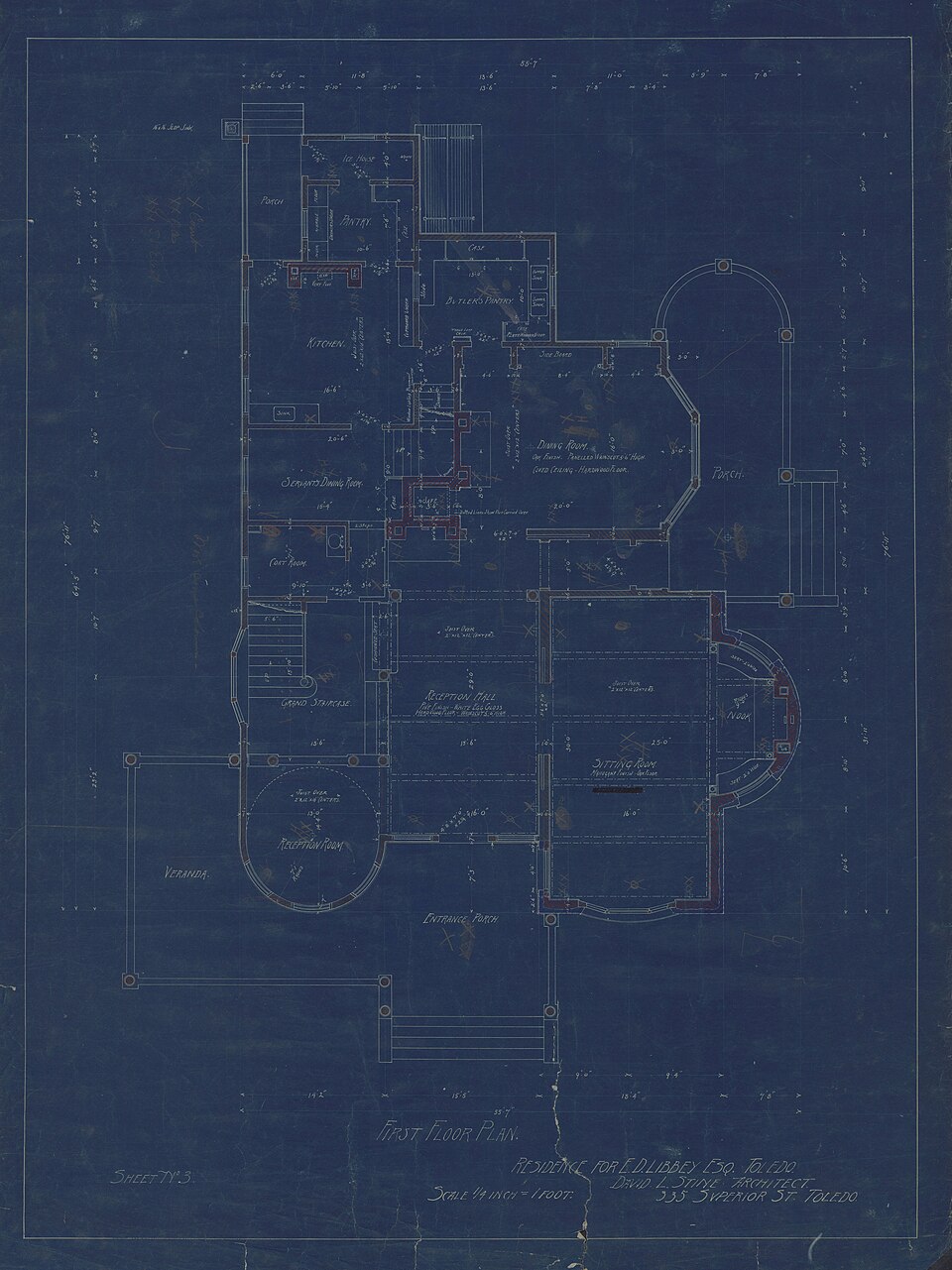
Follow the work, not just the process document. Look at the information, people, tools, decisions, and handoffs involved.
Examine assumptions, duplicated effort, and inherited processes. Ask what the work is for—and whether it needs to happen at all.
Redesign the process around the intended outcome. Define what changes, who owns it, and what a useful result would look like.
Try the redesigned workflow on a small, representative piece of work. Check quality, exceptions, and the effort needed to maintain it.
Introduce AI, automation, or a simpler tool where justified. AI may support analysis, synthesis, research, knowledge retrieval, drafting, decision support, document generation, workflow execution, and repetitive operational work.
Measure the result, listen to the people doing the work, and improve. Every workflow is provisional.
Useful capabilities, when the inputs and review process are right.
Some responsibilities are part of the work—not obstacles to remove.
Technology is a means.
It is not the strategy.
Let’s examine it.
START A CONVERSATION